
Author
Marcus PetrovicDirector & Head of Client Strategy
If your business has fallen behind on tax and you're not sure what happens next, you're not alone. Since COVID, more Australian business owners than ever have received a Director Penalty Notice (DPN), and many assume their only options are to keep struggling under the debt or shut the business down.
That's not always true. A Small Business Restructure (SBR) gives eligible businesses a formal way to negotiate their tax debt with the ATO, often for a fraction of what's owed, while keeping the business trading and every job in place.
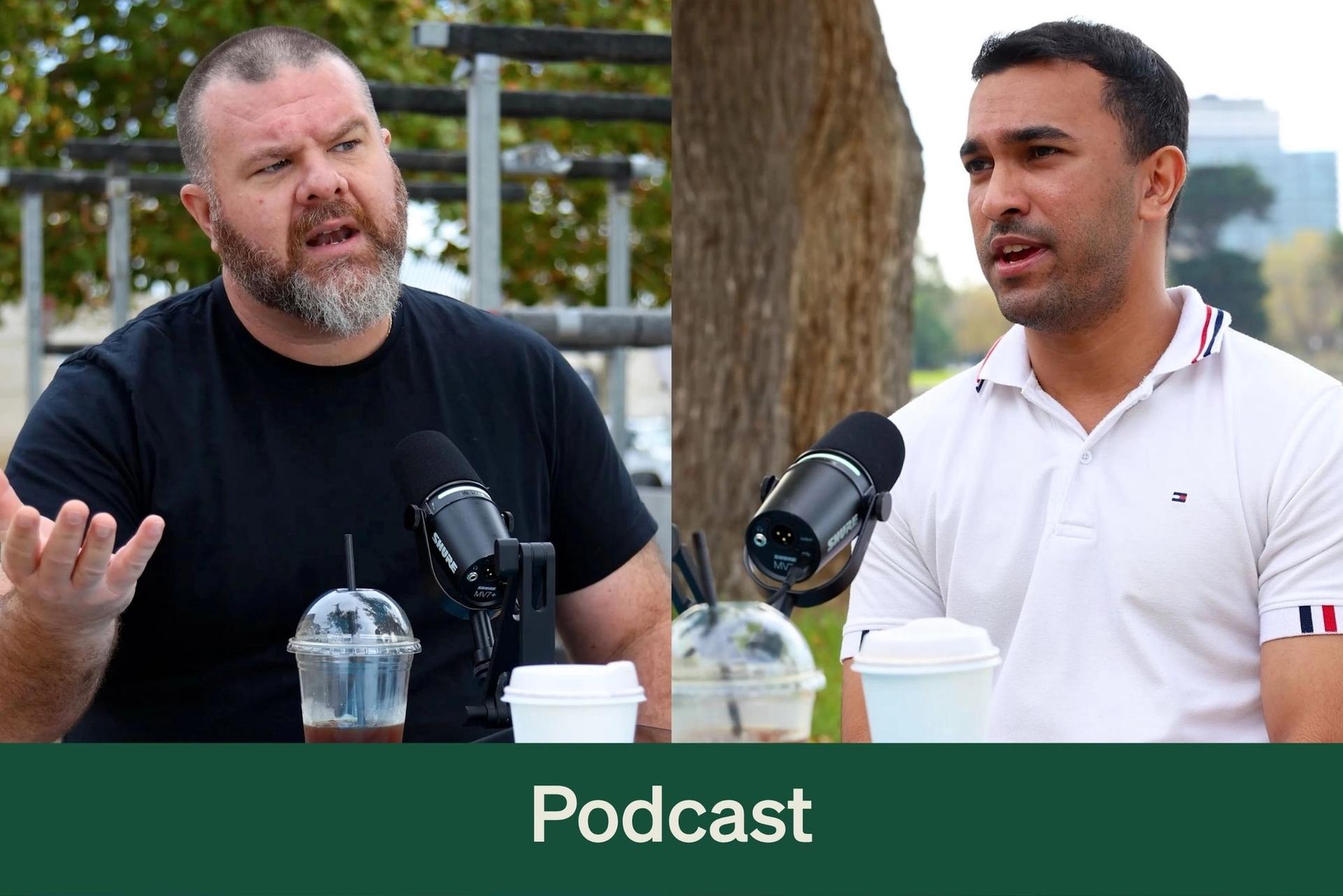
In this episode of the MG Academy Podcast, Marcus and Josh walk through two real case studies of how we reduced tax debt and kept two Aussie businesses alive.
Case Study One: A Melbourne Nightclub
A well-known Melbourne nightclub was hit hard by COVID lockdowns. Even as the business worked to get back on its feet post-COVID, it still had to cover wages, rent, and everyday trading costs. Tax payments fell behind, and the business was eventually issued a non-lockdown DPN.
A non-lockdown DPN means the director isn't automatically personally liable, but they have 21 days to act. The director had four options: pay the debt in full, appoint a liquidator, appoint a voluntary administrator, or appoint a Small Business Restructuring practitioner. Given the choice between an expensive voluntary administration or shutting the doors entirely, the director chose an SBR.
Working through the 35 business day process, a proposal was put forward that reflected what the business could genuinely afford, not an arbitrary number. The result was a payment of 40 cents in the dollar, a portion paid upfront and the rest over 12 months. That's a 60 percent reduction in the total tax debt owed.
The outcome:
- No jobs were lost
- Tax Debt Reduced by 60%
- The business is trading successfully and meeting its ongoing tax obligations
- Creditors received 40 cents in the dollar, compared to receiving nothing in a liquidation scenario
Case Study Two: A Rural Restaurant in Northern NSW
A small restaurant in Northern NSW, employing five staff, built up around $300,000 in tax debt following COVID and rising costs. This case had more working against it. The DPN was a combination of lockdown and non-lockdown debt, there was a director loan on the books, some BAS lodgements had been made late, and the business hadn't made a tax payment in around 18 months.
None of these factors are automatically fatal to an SBR application, but together they make for a harder case to put forward. What mattered was the explanation behind them. The director had been managing serious health issues during that period, which affected the business and led to the loan account being drawn on to cover medical costs.
Alongside the proposal, the director made real changes. A dedicated bank account was set up to put aside a percentage of income specifically for tax, new financial habits were put in place, and the director completed a business management course.
The proposal put forward was 19 cents in the dollar, an 81 percent reduction in the total tax debt. The ATO accepted it.
The outcome:
- Tax Debt reduced down by 81%
- All five jobs were retained in a rural town
- The business is in the final month of its 12 month payment plan and meeting every obligation
- Creditors received a genuine return instead of facing a total loss through liquidation
What These Two Cases Have in Common
Both businesses qualified for an SBR under the same eligibility rules: total debt under $1 million, lodgements up to date, and no SBR used in the past seven years. Neither business had a spotless compliance history, and neither was told a number like "20 cents in the dollar" before the numbers were actually worked out. Every proposal is based on what the business can realistically afford while staying sustainable, not a fixed percentage.
It's also worth knowing that an SBR doesn't sit on your credit file the way a liquidation or voluntary administration might. Once the process concludes, the ATO account reflects the outcome of the restructure rather than an ongoing default, and most lenders understand what an SBR represents when reviewing a loan application.
Is Your Business in a Similar Position?
If you've received a Director Penalty Notice or you're carrying tax debt you can't see a way to pay off, it's worth understanding your options before assuming liquidation is the only path. A Small Business Restructure won't be right for every business, and there's never a guaranteed outcome, but it's designed to give businesses like these two a genuine chance to keep trading.
Get in touch with our team to talk through your circumstances.
This is general information only and does not constitute legal or financial advice. Every situation is different. For advice specific to your circumstances, please contact us directly.